
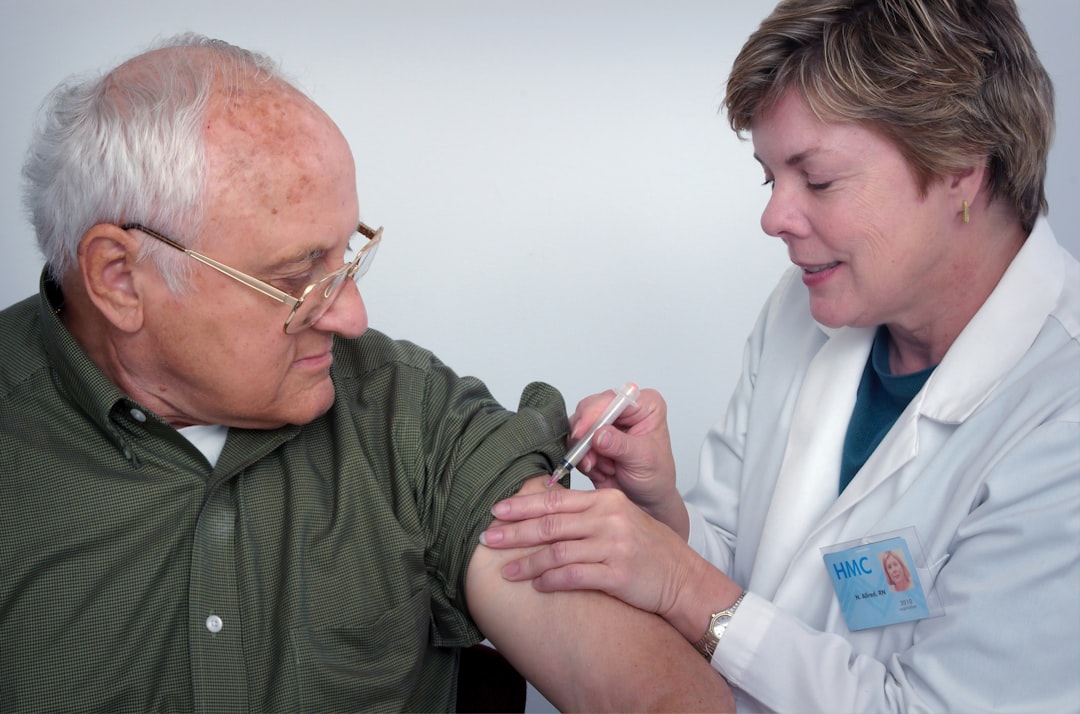
I used to be the first person in my family to catch a cold, but now I stay much more vigilant about my health routine. Preparation is the only way to stay ahead of flu season.
Health officials are warning that the 2025–2026 winter season could be one of the most severe in 25 years. For older adults, getting the high dose flu vaccine for seniors is no longer just a routine item on an autumn checklist—it is our absolute strongest line of defense against severe illness. (Gentle reminder: I run a senior home, but I am not your personal doctor, so please discuss medical decisions with your physician!)
- Why is the flu season 2026 severity raising so many alarms?
- Why do adults 65+ specifically need a high-dose vaccine?
- What actually happens inside an assisted living home when flu strikes?
- Are flu shot side effects elderly adults experience worse with the high-dose shot?
- How do the flu vaccine options compare for older adults?
- When is the best time to get vaccinated this season?
- FAQ
- Where to buy — Sister Unice’s picks
- Sources
Why is the flu season 2026 severity raising so many alarms?
CDC and public health projections indicate this coming winter may match the toughest flu peaks we have seen over the past quarter-century.
I was usually the first one in my family to catch a cold, so I take these warnings very seriously now.
As our immune systems age, building up a strong defense against circulating seasonal strains gets noticeably harder.
In a home shared by many older adults, it pays to start autumn preparations early, because a virus can travel fast once it steps through the front door.
Why do adults 65+ specifically need a high-dose vaccine?
Standard flu shots work wonderfully for younger adults, but senior immune systems often produce fewer antibodies in response to a standard dose.
I have noticed with my own body that things don’t always react the way they used to, like how coffee late at night suddenly keeps me awake. It makes sense that our immune systems also need a different, stronger approach as we get older.
The high-dose flu shot contains four times the antigen of a standard shot, giving aging body defenses that extra push needed to build real protection.
Trust me on this one: for older adults, the higher-dose shot is worth asking your doctor about.
What actually happens inside an assisted living home when flu strikes?
In any shared care home, a single positive test should set an outbreak plan in motion right away.
I have had to rush to the facility in the middle of the night for everything from fire alarms to residents who were up and wandering. Those nights taught me that care means being ready for sudden changes, and with a virus, being ready is how a small problem stays small.
So what does real containment look like when a bug tries to take over?
- Immediate room-level tray service: Common steps include pausing communal dining and switching to in-room meals on disposable trays to cut shared contact points.
- Corridor air scrubbers: Portable HEPA filtration units go directly into hallway corridors to keep air circulating clean and fresh.
- Dedicated staff cohorting: Caregivers are assigned exclusively to isolated rooms so cross-contamination across wings stays at zero.
- Soluble laundry bags: Contaminated linens are placed in special water-soluble bags that drop straight into hot wash cycles without staff ever touching the fabrics twice.

Are flu shot side effects elderly adults experience worse with the high-dose shot?
What about flu shot side effects elderly family members might feel after getting a stronger dose?
Whenever I feel a bit run down, I make sure to take my vitamins and get plenty of rest. Staying healthy matters even more when residents are counting on me.
You might notice a little extra soreness at the arm injection site, mild fatigue, or a brief low-grade fever for 24 to 48 hours.
Running senior care in Maryland, a day of resting with a warm cup of tea is a tiny trade-off compared to spending a week in the hospital fighting pneumonia.
How do the flu vaccine options compare for older adults?
Here is a quick breakdown to help you compare your options before speaking with your pharmacist or doctor.
I have specific things I buy at CVS versus Target because I have learned which place is better for each item. I take that same approach when comparing health options, looking for the specific choice that fits the situation best.


When is the best time to get vaccinated this season?
Aim to get your high-dose shot by late September or October before flu activity begins peaking in your neighborhood.
With flu season, getting a head start beats trying to catch up once the busy season has already started.
Keep in mind that it takes about two full weeks for your body to build up full antibody defenses after receiving the shot.
If autumn slipped by you, do not worry—getting vaccinated in November or December still offers vital protection for the remainder of winter.
FAQ
Q. Can seniors get a high-dose flu vaccine and a COVID-19 booster during the same appointment?
A. Yes, health authorities confirm you can safely receive both shots during the same visit, typically in different arms. Just plan for a cozy, quiet afternoon afterward in case you feel a bit sluggish!
Q. Is the high-dose flu shot covered by Medicare?
A. Absolutely. Medicare Part B covers 100% of the cost for eligible seniors aged 65 and older with no out-of-pocket co-pay at participating pharmacies.
Q. Can you still get the flu after getting the high-dose vaccine?
A. Yes, it’s still possible. But if you do catch it, the vaccine meaningfully lowers your risk of severe complications, hospitalization, and pneumonia — which is the real goal for older adults.
Where to schedule your shot — Sister Unice’s picks
Real places I’d point a friend to:
- CVS Health Senior High-Dose Flu Shot Scheduling — Allows seniors 65+ to easily book high-dose flu vaccines online across thousands of CVS locations nationwide with most insurance plans accepted.
- CDC Official 65+ Senior Flu Vaccine Guidelines — Provides official CDC medical guidance on preferentially recommended high-dose and adjuvanted flu vaccines for older adults.
Links go to third-party pharmacy sites. I only list places with genuinely strong reviews. None of the links above are paid or affiliate links.
Unice recommends reserving your high-dose flu vaccine early to safeguard elderly loved ones before severe seasonal outbreaks occur.
This is not a paid or affiliate link — it’s simply where Unice sends her own residents’ families.
Sources
AHCA/NCAL Official Site
Centers for Disease Control and Prevention
American Heart Association