
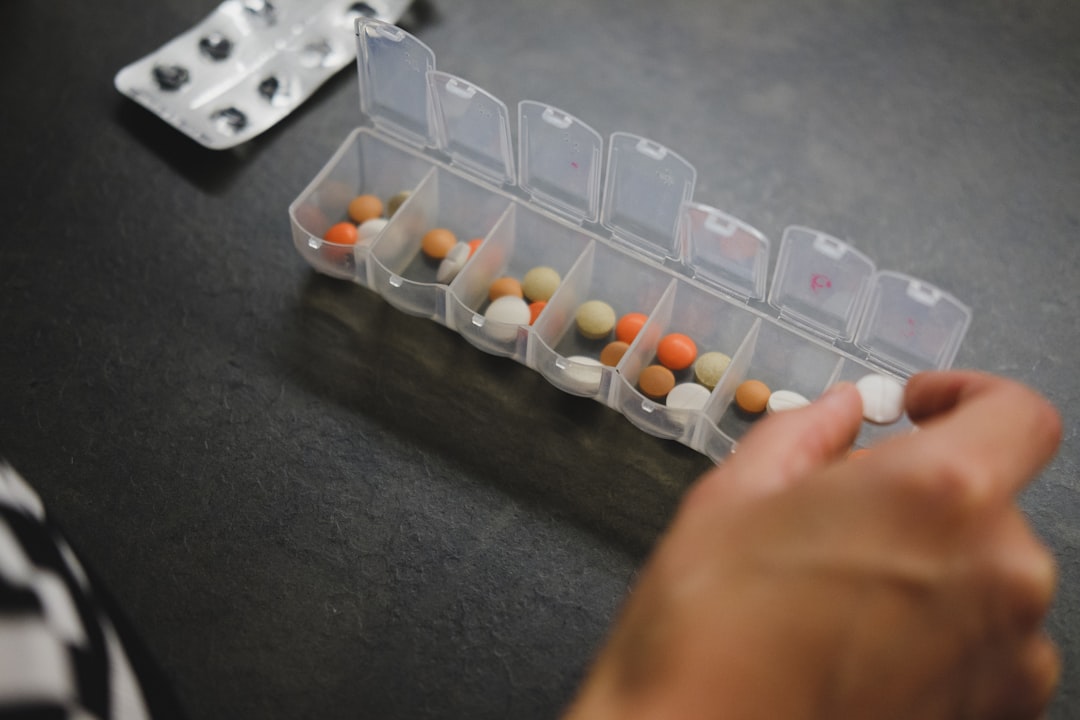
At Aberdeen House III, the assisted living home I run in Maryland, summer is when fresh air and ventilation matter most. Staying observant and prepared is the best way to manage these risks as temperatures climb.
Medications that increase heat risk for seniors—including common blood pressure pills, water pills, and antidepressants—can quietly block the body’s ability to sweat and balance fluids in summer weather. Recent research highlighted in Lancet Planetary Health links heat waves directly to higher health risks for older adults on specific daily prescriptions.
A good summer safety routine starts with a review of each person’s daily medication list, not just turning up the air conditioning. Please remember that this post is for educational awareness only, so always talk to your doctor before adjusting any prescription.
- Why do standard prescriptions make summer heat so dangerous?
- Which blood pressure pills affect elderly heat sensitivity?
- How do common drug classes compare in warm weather?
- Can antidepressants and bladder meds trigger overheating?
- What practical daily checks can caregivers do at home?
- How should you discuss these heat risks with your physician?
- FAQ
- Summary
- Where to buy — Sister Unice’s picks
- Sources
Why do standard prescriptions make summer heat so dangerous?
Many standard prescriptions alter the body’s natural cooling mechanisms, such as sweat production and blood vessel dilation. When outside temperatures climb, an older adult’s body must work twice as hard to keep internal temperatures safe.
Certain drug classes interfere directly with the brain’s internal thermostat or dull normal thirst signals. Trust me on this one: dangerous dehydration can set in long before an older resident actually asks for a glass of water.
- Diuretics (water pills): Flush fluids and essential sodium out of the body quickly.
- Beta-blockers: Slow heart rate and restrict blood flow to the skin, limiting heat loss.
- Anticholinergics & Antidepressants: Reduce sweating, which stops the body’s main way to cool down.
Which blood pressure pills affect elderly heat sensitivity?
When managing elderly heat sensitivity blood pressure medication concerns, diuretics and beta-blockers require the closest attention. Diuretics reduce overall blood volume, leaving less fluid in the bloodstream to create sweat.
Beta-blockers keep the heart beating at a calm rate, which is great for cardiac health but prevents the body from pumping warm blood outward to the skin. Combining both medications during a hot July afternoon significantly narrows a senior’s safety window.
How do common drug classes compare in warm weather?
Understanding how different drug categories impact body heat helps caregivers spot subtle trouble signs early. Here is a quick reference guide based on common resident medication charts:
Medications are part of my everyday work at the home: some residents can’t swallow pills, so some days I crush several, and I have to know which ones must never be crushed. Even standard medications can call for closer observation once outdoor temperatures start to climb.


Can antidepressants and bladder meds trigger overheating?
Yes, many antidepressants and overactive bladder drugs exert an anticholinergic effect that shuts down sweat glands. Without sweat evaporating off the skin, internal body heat accumulates like heat trapped inside a closed car.
If a senior sits on a warm porch without sweating at all, treat it as an urgent warning sign rather than comfort.
What practical daily checks can caregivers do at home?
Simple daily habits prevent heat-related illness long before emergency symptoms appear. Monitoring afternoon urine clarity and checking indoor humidity levels are two easy wins for any family caregiver.
I installed magnetic screen doors at my care home to keep the rooms ventilated while ensuring that pests stayed out. Now I can keep the doors open for fresh air all summer without worrying about bugs.
Here are three practical tips:
- Flavor the water pitcher: Add cucumber slices or frozen berries, as many seniors dislike plain room-temperature water.
- Do a morning pill check against weather: If temperatures exceed 85 degrees, plan indoor activities during peak afternoon hours.
- Check weight twice weekly: A sudden weight drop in summer usually means loss of hydration, not fat.

How should you discuss these heat risks with your physician?
Never stop or alter prescription doses on your own during a heat wave, because stopping blood pressure or heart medications suddenly can be dangerous. Instead, request a quick summer medication review with your primary doctor or pharmacist.
Ask your physician directly: “Do any of these current pills impair heat tolerance, and should we adjust fluid targets or daily monitoring?” A brief consultation gives you peace of mind while keeping your loved one completely safe.
FAQ
Q. Which specific medications increase heat risk for seniors the most?
A. Diuretics (water pills), beta-blockers, ACE inhibitors, tricyclic antidepressants, and anticholinergic bladder medications carry the highest heat risks.
Q. Should my parent stop taking water pills during a summer heat wave?
A. Absolutely not without explicit physician guidance. Stopping diuretics abruptly can cause fluid backup in the lungs or dangerous blood pressure spikes.
Q. What are early signs that medication is interfering with heat regulation?
A. Watch for dry skin despite hot weather, sudden dizziness upon standing, dark urine, confusion, or headache.
Q. Does air conditioning solve medication heat sensitivity entirely?
A. AC provides vital ambient cooling, but dehydration from diuretics can still occur indoors if fluid intake is not actively maintained.
Summary
- Certain daily prescriptions, especially blood pressure and water pills, impair the body’s natural sweating and hydration systems.
- Caregivers should monitor urine color, weight fluctuations, and skin dryness during hot summer afternoons.
- Always talk to your doctor before changing medication routines, and ask for a summer drug safety review.
Trusted resources — Sister Unice’s picks
Real sources I’d point a friend to:
- Rochester Regional Health: Why Heat Puts Older Adults At Risk — Official healthcare guide detailing how aging blood vessels, reduced sweating, and daily medications heighten senior heat risk.
- CDC Guidance on Heat and Older Adults (65+) — Official CDC health checklist detailing medication heat risks, hydration advice, and caregiver safety protocols.
Links go to official health resources. None of the links above are paid or affiliate links.
Unice recommends starting with this official medical guide to understand exactly how blood pressure and psychiatric medications impair body cooling in seniors.
This is not a paid or affiliate link — it’s simply the official source Unice uses herself.
Sources
• Rochester Regional Health Senior Heat Risk Hub: https://www.rochesterregional.org
• The Lancet Planetary Health Research Index: https://www.thelancet.com
• Centers for Disease Control and Prevention (CDC) Extreme Heat Guide: https://www.cdc.gov