
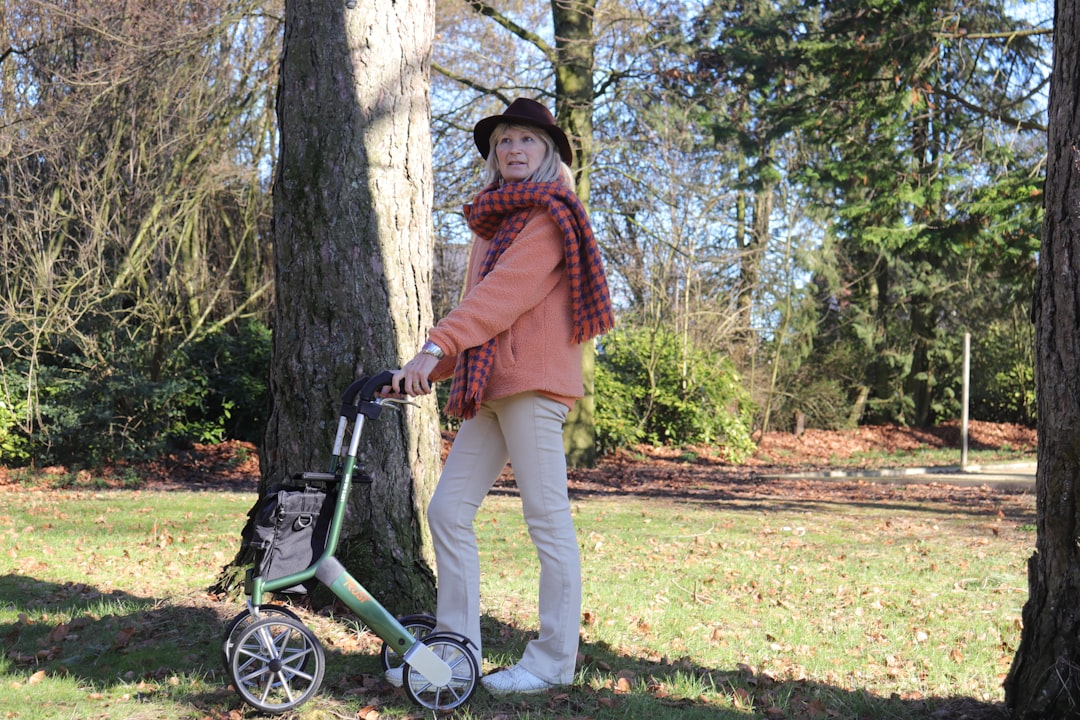
I realized firsthand how differently my body began responding with age when I gained about five kilograms and found that my old routines simply did not work anymore.
According to the CDC and global longevity consensus from Izquierdo and ICFSR, the standard exercise recommendations for older adults 2026 focus on 150 minutes of moderate aerobic movement each week, combined with two days of muscle strengthening and regular balance practice. Please remember to talk to your doctor or physical therapist before starting a new routine—this is practical guidance from my care home experience, not medical advice.
If 150 minutes sounds like a terrifying number, please take a deep breath. You do not need to join a gym or run a marathon to give your body exactly what it needs.
- How many minutes should seniors exercise per week?
- Why are balance exercises for seniors so critical now?
- What if you use a walker, wheelchair, or are recovering from surgery?
- Matching Your Routine to Your Current Mobility
- Do you really need gym equipment to build strength?
- FAQ
- Summary
- Helpful resources — Sister Unice’s picks
- Sources
How many minutes should seniors exercise per week?
If you’ve ever wondered how many minutes seniors should exercise per week, the math is gentler than most people expect. 150 minutes sounds heavy, but it is just 22 minutes a day.
You can even break those 22 minutes into two quick 11-minute sessions—one after breakfast and one after lunch. Trust me on this one: your heart and joints care about consistency, not intensity.
Here is how a light, realistic week can look for someone starting from scratch:
- Monday to Friday: A 20-minute brisk stroll in the neighborhood or brisk marching in place.
- Tuesday & Thursday: 10 minutes of light strength work using your body weight or soup cans.
- Saturday: 15 minutes dedicated to gentle balance postures near your kitchen counter.
- Sunday: Full rest, gentle stretching, or tending to your garden plants.
Why are balance exercises for seniors so critical now?
The updated 2026 consensus puts a special emphasis on balance because staying steady on your feet is the single best way to maintain your independence. Falling is not an inevitable part of aging; it is usually just a sign that our stabilizing muscles need a gentle reminder.
Simple balance exercises for seniors can easily fit into your daily household rhythm without feeling like extra work. My absolute favorite trick is the “tea kettle balance” exercise.
While waiting for your morning water to boil, hold onto the sturdy edge of your kitchen counter and try standing on one foot for 10 seconds, then switch. Do you know how quickly those daily seconds build up over a month?
You will notice the difference the next time you step over a curb.


What if you use a walker, wheelchair, or are recovering from surgery?
Movement counts no matter how your body moves today. If you are sitting in a wheelchair or recovering from a hip operation, you do not throw out the guidelines—you simply tailor them.
Seated cardio elevates your heart rate just as effectively as walking. You can pump your arms, do seated shoulder rolls, or tap your toes to upbeat music right from your favorite armchair.
- For wheelchair users: Try seated arm circles, torso twists, and resistance band chest presses twice a week.
- For walker users: Practice seated-to-standing transitions with your walker secured directly in front of you.
- For post-op recovery: Focus on gentle ankle pumps and seated leg extensions while watching the morning news.
Matching Your Routine to Your Current Mobility
To help you visualize how these 2026 guidelines translate to daily life, here is a simple breakdown based on where you are starting today.

Do you really need gym equipment to build strength?
Please do not feel pressured to buy fancy weight sets or gym memberships. The physical health standards highlight functional strength—the muscles you use to pick up groceries, carry laundry, and rise from a low couch.
Two 15-ounce soup cans work beautifully for arm curls and shoulder raises. A sturdy dining chair with armrests is the only equipment you need for squats and standing calf raises.
I always tell my care home family that the best workout tool is the one you already own in your kitchen cabinet. Keep it light, keep it fun, and listen to your body’s feedback every single day.

FAQ
Q. Does housework count toward my 150 aerobic minutes?
A. Yes! Vacuuming, sweeping the porch, carrying light gardening pots, and pushing a grocery cart all count as moderate aerobic activity as long as your heart rate lifts slightly.
Q. What should I do if my joints feel stiff when I wake up?
A. Start with simple seated gentle stretches before standing up. A warm washcloth on your knees or a warm cup of tea can also relax tight muscles before you move.
Q. Is it safe to practice balance exercises alone at home?
A. Always position yourself next to a sturdy structure, like a kitchen countertop or heavy dining chair, so you have instant support if you sway.
Q. What if I can only manage 5 minutes of exercise a day right now?
A. Five minutes is infinitely better than zero minutes. Start there, celebrate your effort, and add just two minutes next week as your strength returns.
Summary
- Aim for 150 minutes of light-to-moderate weekly aerobic movement, broken down into manageable 15–20 minute bites.
- Include balance practice near a counter and simple strength work twice per week to keep your joints stable.
- Adapt every movement to your comfort level—seated exercises offer incredible health benefits for those with limited mobility.
Helpful resources — Sister Unice’s picks
The places I’d point a friend or a resident’s family to for the real guidelines:
- CDC Physical Activity Guidelines for Older Adults — Official CDC resource detailing the recommended 150 minutes of weekly aerobic, strength, and balance activities for adults 65 and older.
- NIA Exercise and Older Adults Toolkit — Free federal toolkit with sample routines, including seated and modified options for reduced mobility.
These are official government resources, not paid placements.
Unice points every family at this free federal toolkit first — it has printable sample routines you can literally tape to the fridge, including seated versions for wheelchair and walker users.
This is a free federal resource — no affiliate link, no commission.
Sources
U.S. Centers for Disease Control and Prevention (CDC)
National Institutes of Health (NIH) Senior Health