
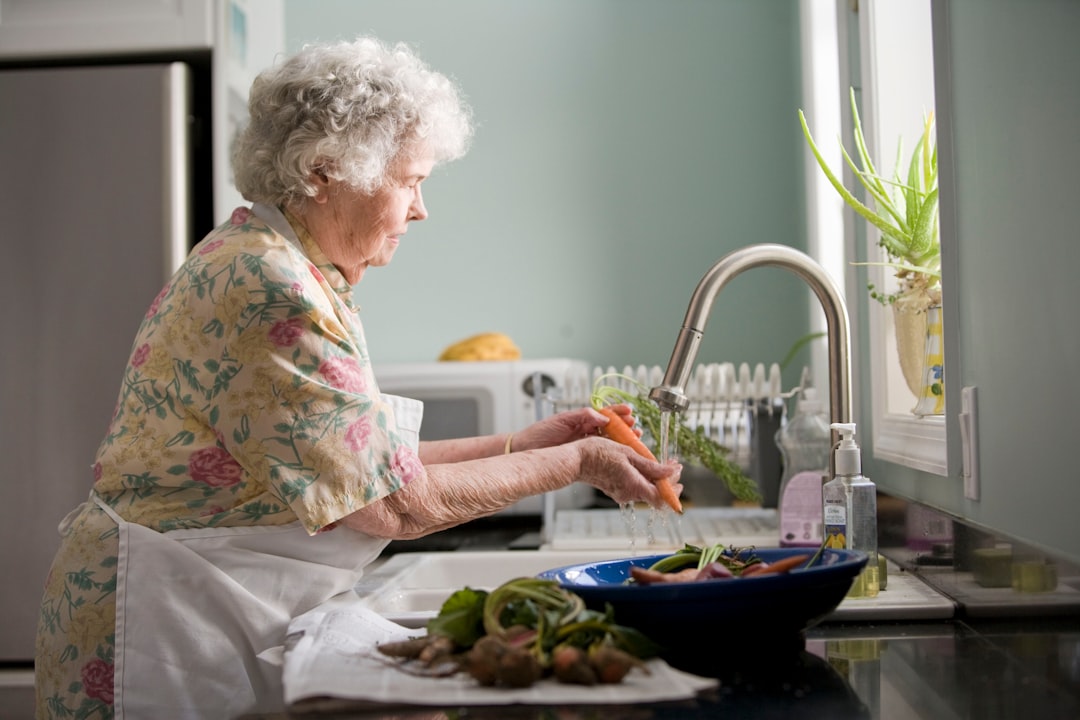
I tried hard to prepare balanced, wholesome meals for seniors at my assisted living home in Maryland, but I learned how difficult it is to change lifelong eating patterns.
If you’re looking for a real, research-backed way to help stay sharp as you age, here’s what the newest evidence points to. A 2026 systematic review found that exercise and diet for brain health seniors work far better together than either habit does alone — a combined routine outperformed diet-only or exercise-only approaches for supporting global cognition. (And please remember, this blog is for friendly educational inspiration — talk to your doctor, not medical advice, whenever managing your health!)
- What Does the New 2026 Science Actually Show?
- Why Does Your Brain Need Both Habits at the Same Time?
- What Should Be on Your Plate Every Day?
- What Type of Daily Movement Works Best?
- How Do Single and Combined Strategies Compare?
- Can This Routine Lower Dementia Risk?
- FAQ
- Summary
- Helpful resources — Sister Unice’s picks
- Sources
What Does the New 2026 Science Actually Show?
A major 2026 systematic review and meta-analysis published on ScienceDirect (pii S0047637426000357) examined how combined lifestyle changes affect aging minds. The researchers found that pairing regular physical activity directly with structured eating improved global cognition in older adults significantly more than exercise alone or diet alone.
This research confirms that combined lifestyle choices offer meaningful support for nutrition and exercise cognitive decline prevention. It is vital to frame this realistically: these daily habits are powerful tools for risk reduction, not a guaranteed cure or a substitute for medical evaluation if you have memory concerns.
Why Does Your Brain Need Both Habits at the Same Time?
Think of your brain like a high-performance garden. Physical exercise acts like the irrigation system, pumping fresh oxygen and encouraging growth proteins like BDNF to nourish nerve cells.
Meanwhile, nutrient-dense food acts like rich soil conditioner, supplying antioxidants and healthy fats to protect those new neural pathways. When you do only one, your brain gets half the build-up it needs—trust me on this one!

What Should Be on Your Plate Every Day?
You do not need complicated gourmet recipes to eat for your mind. Focus on well-studied patterns like the MIND and Mediterranean diets, which prioritize real, colorful foods.
At my assisted living home in Maryland, I tried hard to offer nutritious foods, but I quickly saw that seniors hold tightly to what they have eaten since childhood. Even with diabetes, one resident still insisted on heavy syrup on pancakes and creamer in coffee, teaching me that lifelong habits cannot simply be replaced.
- Leafy Greens: Spinach, kale, and collards packed with folate and vitamin K.
- Deep-Colored Berries: Blueberries and blackberries rich in protective flavonoids.
- Healthy Fats & Nuts: Extra virgin olive oil, walnuts, and almonds for cellular strength.
- Fatty Fish: Salmon or sardines twice a week for omega-3 fatty acids.
One easy trick: if a loved one resists plain olive oil, try mixing it with toasted sesame powder and a dash of low-sodium soy sauce. It turns into a delicious dip for crusty sourdough or warm veggies that seniors instantly love!
What Type of Daily Movement Works Best?
You do not need to lift heavy barbells or run marathons to protect your memory. Standard geriatric physical guidance suggests blending three basic movement types throughout your week.
- Aerobic Activity: 20–30 minutes of brisk walking, water aerobics, or stationary cycling.
- Strength Work: Light resistance bands or bodyweight sit-to-stands from a sturdy chair.
- Balance Practice: Heel-to-toe walks or single-leg balance holds near a kitchen counter.
My favorite practical detail? Pair balance drills with tea time!
Practice standing on one foot (holding the counter safely) while waiting for the electric kettle to boil for your morning tea.

How Do Single and Combined Strategies Compare?
To help you visualize how these choices work together day to day, here is a quick breakdown of how lifestyle components support your body and brain.

Can This Routine Lower Dementia Risk?
It is crucial to stay honest about what science tells us. Daily movement and clean eating lower your overall statistical risk and keep blood vessels healthy, but they are not a guaranteed cure or absolute barrier against neurodegenerative diseases.
If you or a family member notice sudden memory changes, getting lost in familiar places, or mood shifts, always seek a professional medical evaluation right away. Use healthy habits as your sturdy foundation, not as a replacement for doctor visits!
Another insider tip for staying consistent: set a simple, cheap 15-minute kitchen timer. Tell yourself you only have to walk until the ding goes off—taking away the mental pressure makes starting ten times easier.
FAQ
Q. Is it too late to start a brain-healthy diet and exercise plan in my late 70s or 80s?
A. Never! Scientific studies consistently show that older adults gain brain blood-flow and cognitive support benefits regardless of when they begin.
Q. Do I have to do vigorous workouts to see cognitive benefits?
A. Not at all. Moderate aerobic movement like brisk walking combined with light strength and balance drills works wonderfully when done consistently.
Q. Should I speak with my doctor before changing my diet or exercise routine?
A. Yes, always check with your primary physician or healthcare provider to tailor new foods and movements to your unique medical history.
Summary
- New 2026 meta-analysis research confirms that combining diet and exercise supports global cognition better than doing either habit alone.
- Pairing Mediterranean-style foods (greens, berries, healthy fats) with simple daily movements (walking, balance work) fuels and protects brain tissue.
- Lifestyle interventions offer powerful risk reduction and cognitive support, but they are not a guaranteed cure and should complement regular medical care.
Helpful resources — Sister Unice’s picks
The places I’d point a friend to for the real research and guidance:
- NIA: What Do We Know About Diet and Prevention of Alzheimer’s Disease? — Official National Institute on Aging overview of diet’s role in cognitive risk reduction, including the MIND and Mediterranean patterns.
- NIA: Cognitive Health and Older Adults — Federal guidance on the lifestyle factors, including exercise, linked to healthy brain aging.
These are official government resources, not paid placements.
Unice points families here first — it’s the clearest plain-language federal summary of what the diet-and-cognition research actually shows (and doesn’t).
This is a free federal resource — no affiliate link, no commission.
Sources
• ScienceDirect Official Database: https://www.sciencedirect.com
• National Library of Medicine (PubMed): https://pubmed.ncbi.nlm.nih.gov
• National Institute on Aging (NIH): https://www.nia.nih.gov