
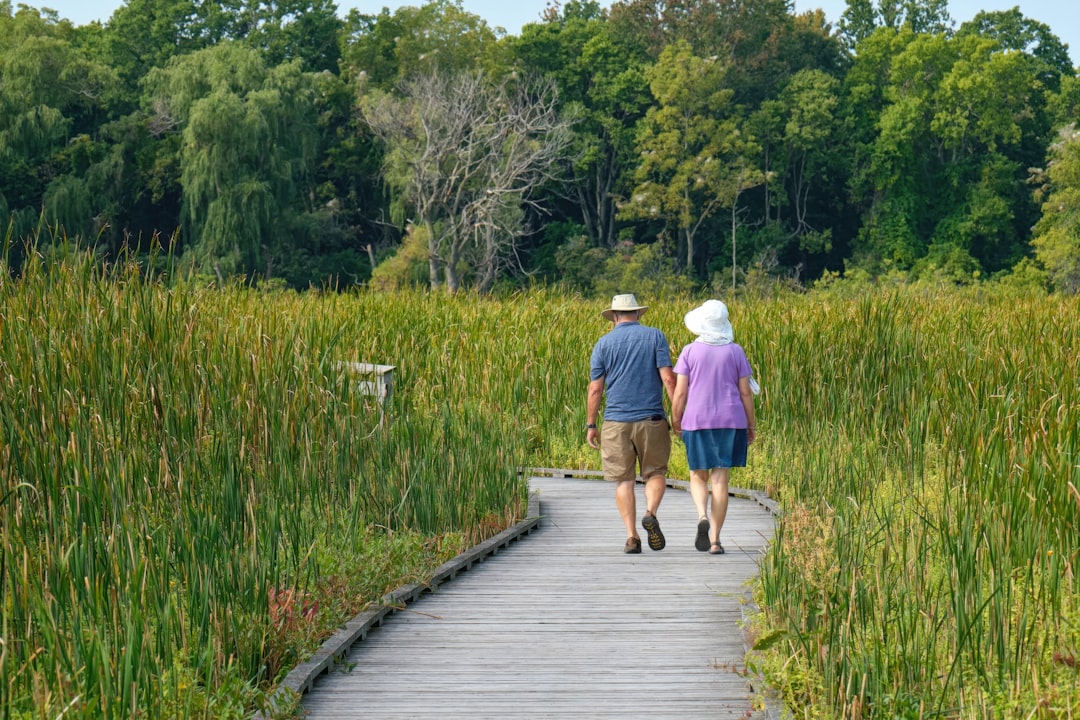
I noticed firsthand while operating my assisted living home that aging gracefully comes down to quiet, consistent daily routines. Seeing how small choices shaped my residents’ daily comfort made me realize that staying vibrant in later years is built on ordinary everyday habits.
Aging gracefully is not about chasing youth; it is about cultivating gentle daily routines that keep your mind sharp, your body steady, and your heart peaceful.
By focusing on simple habits like daily walks, nourishing food, and warm social connections, seniors can enjoy independence and energy for years to come.
Note: I am a caregiver, not a doctor! This article offers general health tips, so please talk with your doctor before starting new exercise routines or diets.
- Why is gentle daily movement so vital as we age?
- How does light strength training support senior independence?
- What eating habits best nourish an aging body?
- How do core daily habits compare for graceful aging?
- Why are social ties and rest essential for brain health?
- FAQ
- Summary
- Where to buy — Sister Unice’s picks
- Sources
Why is gentle daily movement so vital as we age?
Regular light movement keeps your joints flexible and helps preserve the balance you need to prevent dangerous falls.
You do not need heavy weightlifting or exhausting workouts to stay healthy as the years go by.
The National Institute on Aging highlights that even low-impact activities like strolling or gardening protect your heart and bones.
Here are three simple ways to keep your body moving every day:
- Morning walks: A gentle 20-minute walk wakes up your leg muscles and boosts morning energy.
- Simple stretches: Overhead arm reaches and shoulder rolls keep your posture upright and ease stiffness.
- Kitchen counter balance: Standing on one foot while holding onto a sturdy counter improves stability.
How does light strength training support senior independence?
Natural age-related muscle loss, known as sarcopenia, speeds up after age 60 if we stay inactive.
Building practical strength makes everyday tasks—like rising from a deep armchair or lifting grocery bags—much easier.
Using your own body weight is a safe, joint-friendly way to rebuild muscle tone without special equipment.
- Chair stands: Sit tall in a sturdy dining chair and stand up slowly without using your hands.
- Wall push-ups: Place your hands on a clear wall and bend your elbows for gentle upper-body strength.
What eating habits best nourish an aging body?
As digestion slows down, our bodies thrive on simple, nutrient-dense foods that offer steady fuel.
I tried hard to serve wholesome, nutrient-dense meals to the seniors in my care home, but I found that lifelong eating habits are almost impossible to change. I had to learn that supporting their physical health also meant respecting the familiar comfort foods they had enjoyed for decades.
Older adults need slightly more protein per pound of weight to preserve muscle repair and fight off illness.
Staying well-hydrated throughout the day also keeps fatigue and memory brain fog at bay.

Try adding these helpful habits to your daily meals:
- Lean protein: Include eggs, tofu, fish, or soft chicken breast in your main meals.
- Fiber-rich vegetables: Steamed leafy greens and sweet potatoes keep digestion comfortable.
- Frequent water sips: Drink water continuously throughout the day rather than all at once.
How do core daily habits compare for graceful aging?
Here is a simple look at how different gentle routines support your long-term health:

Why are social ties and rest essential for brain health?
Loneliness can trigger chronic inflammation in the body, which negatively affects both memory and heart health.
Sharing a warm phone chat or drinking tea with a neighbor stimulates your brain and brightens your mood.
Pairing social connections with 7–8 hours of restful sleep gives your brain time to clear away metabolic waste.

FAQ
Q. Is it safe to start daily exercises if I haven’t been active in years?
A. Yes! It is never too late to start, but begin slowly with 5-minute walks or chair stretches, and consult your doctor first.
Q. Why do I feel less thirsty now than I used to when I was younger?
A. The brain’s natural thirst signals diminish as we age. Keep a small water cup nearby so you remember to sip regularly.
Q. What is an easy way to protect memory as I grow older?
A. Combining physical movement with mental stimulation—like reading, talking with loved ones, or doing puzzles—keeps brain cells active.
Summary
- Move gently each day through brief walks, simple chair exercises, and balance practice to guard your independence.
- Nourish your body with adequate protein, fiber, and steady water intake to keep your immune system strong.
- Stay close to friends and family while maintaining a relaxing nighttime routine for a sharp, contented mind.
Where to buy — Sister Unice’s picks
The exact items I’d point a friend to, with the link to buy:
- Outlive: The Science and Art of Longevity by Dr. Peter Attia — A book offering actionable advice on extending healthspan and physical vitality.
- Atomic Habits by James Clear — This guide helps older adults build sustainable micro-habits for daily wellness.
- OMRON Upper Arm Blood Pressure Monitor — Recognized as the #1 doctor and pharmacist recommended home monitor, providing clinically validated accuracy for daily cardiovascular check-ins.
- TheraBand Resistance Band Set — Clinically trusted by physical therapists for over 40 years, offering progressive low-impact resistance for joint mobility and muscle strength.
- SilverSneakers Senior Health & Fitness Program — Praised nationwide with millions of members, offering access to 15,000+ gyms and low-impact daily classes tailored for older adults.
Links go to third-party booking/shopping sites. I only list places and products with genuinely strong reviews.
Unice warmly recommends this groundbreaking guide as an essential roadmap to adopting proactive daily exercise, sleep, and metabolic habits for a vibrant later life.
As an affiliate, I may earn a small commission from purchases — at no extra cost to you.
Sources
National Institute on Aging (NIA)