
Most falls do not happen outdoors on icy sidewalks or steep public staircases. They happen quietly at home during routine, everyday movements like getting out of bed or stepping into the kitchen.
A few thoughtful adjustments can dramatically reduce fall risks and help aging adults stay safe and independent in the rooms they love most. A gentle reminder from Sister Unice: This post shares hands-on caregiving observations for home safety, but it is not formal medical advice—always talk to your doctor or physical therapist about personal balance, medication side effects, and fall risks.
1. Bedside Transfers and Nighttime Slipping
Waking up in the dark is disorienting for anyone, but for older adults, the transition from lying down to standing is especially risky. Blood pressure often dips upon sitting up, and poor lighting combined with grogginess creates an immediate hazard.
Falls also happen while people are fully asleep simply by rolling too close to an unguarded edge. Keeping paths clear and lighting automatic makes a massive difference in those early morning hours.
Here are three quick ways to protect the bedroom:
- Install motion-activated baseboard nightlights: They gently light the floor the second a foot touches down, without blinding overhead glare.
- Add a secure bedside grab rail: A sturdy bar anchored between the mattress and box spring gives hands a reliable anchor before legs take full weight.
- Keep footwear right where feet land: Leave non-skid slippers right by the bed so no one walks across cool hardwood in slick socks.
2. The Bathroom Transfer Zone
Bathrooms combine smooth, wet surfaces with frequent bending, stepping, and pivoting. Most people assume the slip happens in the middle of the shower, but the true danger point is the transfer in and out of the tub or off the toilet.
When balance feels unsteady, the instinctive reaction is to grab whatever is nearby. Unfortunately, that usually means a towel bar, sliding glass door, or toilet paper holder—none of which are designed to support a person’s body weight.
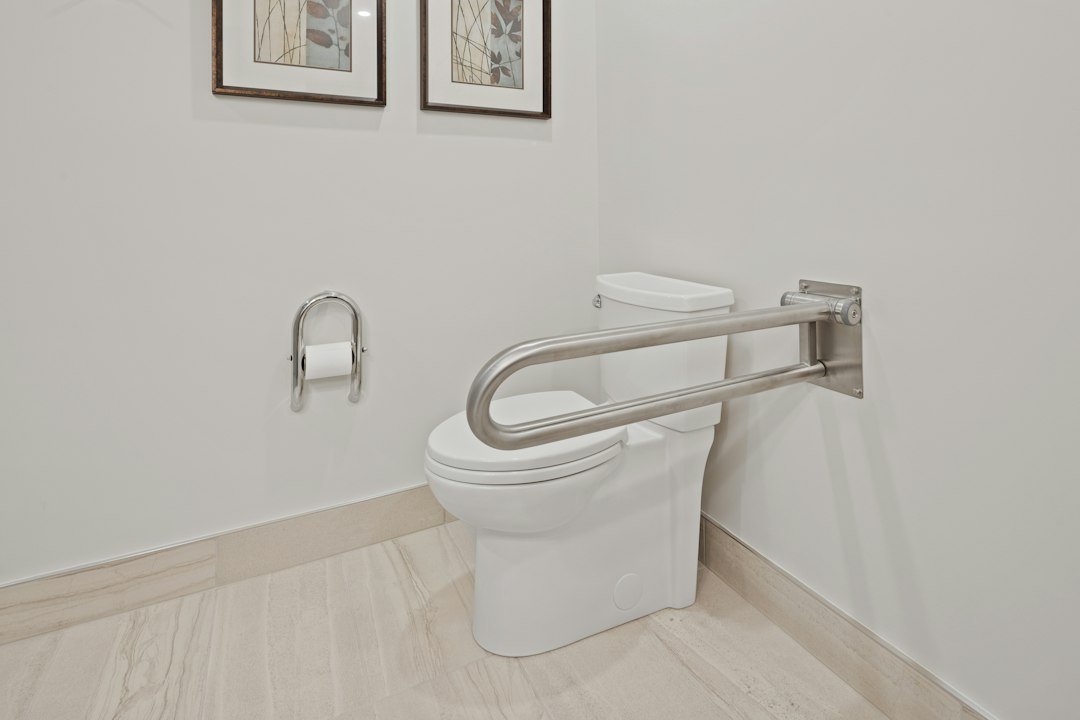
- Mount professional grab bars into wall studs: Avoid suction-cup bars; choose securely bolted bars placed both vertically at the shower entryway and horizontally inside.
- Upgrade to a comfort-height toilet: Taller toilets require far less leg strength to sit on and rise from, saving aging knees.
- Use zero-threshold non-slip mats: Replace plush bath rugs with rubber-backed, quick-drying mats that stay glued to the tile.
Are Doorway Thresholds Tripping You Up?
Look down at the floors between your hallway, living room, and kitchen. Even a quarter-inch difference between wood flooring and tile creates an invisible lip that catches dragging slippers.
Throw rugs are another notorious culprit. We all love a pretty runner in the hallway, but curled corners and sliding backings are an open invitation to a stumble.
To smooth out your floor walkways:
- Eliminate decorative throw rugs completely: If family members refuse to part with them, secure every border flat with heavy-duty double-sided rug tape.
- Install beveled transition ramps: Replace square metal or wood floor dividers with low-profile, beveled transition strips.
- Tuck cords behind baseboards: Clip floor lamp wires and extension cords neatly along walls so nothing crosses an open walking route.
3. The Kitchen Triangle Reach and Pivot
Cooking requires multi-tasking: carrying warm liquids, stepping around open cabinet doors, and turning quickly between the sink, refrigerator, and stove. The classic fall here happens when someone leans backward or stretches on tiptoes to grab a plate.
Bending down to pull heavy pots from the back of low cupboards causes sudden head rushes, while reaching up can throw off your center of gravity.
- Reorganize shelves to “waist-to-shoulder” height: Move heavy pans, everyday cups, and daily pantry staples onto middle shelves where no reaching or kneeling is required.
- Wipe spills immediately: Keep a soft mop or absorbent towel on a hook right beside the sink for stray water drips.
- Never use standard step stools: If an item cannot be reached with two feet flat on the floor, it needs to be stored somewhere lower.
Ditch the Deep, Low Sofa
A soft, pillowy couch feels wonderfully cozy until you try to stand up from it. When a seat is too low and deep, people have to rock back and forth repeatedly to build momentum, which leaves them breathless and wobbly once upright.
Add a bulky coffee table placed just inches away, and there is almost no room for feet to establish a wide, stable base before walking.
- Choose firm chairs with sturdy wooden armrests: Armrests that extend all the way to the front edge give arms leverage to push straight up.
- Use furniture risers if needed: Elevating a favorite armchair by two to three inches makes standing up noticeably easier.
- Clear a wide walking loop: Keep at least three feet of open floor space between couches, side tables, and television stands.

Room-by-Room Fall Risk & Fix Comparison

Frequently Asked Questions
Q. Are bed rails safe for everyone?
A. Bed assist rails can provide wonderful support for sitting up and catching balance, but they must fit tightly against the mattress without gaps. For individuals with severe memory impairment who might try to climb over them, talk to an occupational therapist to choose the right style.
Q. Why do older adults often feel dizzy right when standing up?
A. This is frequently caused by postural hypotension, where blood pressure drops briefly when changing from lying down to standing. Sitting on the edge of the bed for 30 to 60 seconds before rising gives the cardiovascular system time to adjust.
Q. What is the single most affordable fall prevention update?
A. Lighting. Inexpensive plug-in motion sensor nightlights for hallways, bathrooms, and bedrooms remove shadows and illuminate unexpected obstacles without breaking your budget.
Q. How can I convince my parents to get rid of their throw rugs?
A. Frame it around comfort, ease of cleaning, and keeping the home looking open and spacious. If they cherish an antique rug, offer to hang it as a decorative wall textile instead of leaving it on the floor.
Summary
- Most falls occur during routine transitions in the bedroom, bathroom, and living areas rather than on stairs.
- Simple hardware upgrades—like bed rails, stud-mounted grab bars, and firmer seating—give aging muscles the leverage they need.
- Eliminating trip edges, clearing walking paths, and organizing cabinets within easy reach keeps daily routines safe and stress-free.
Helpful links — Sister Unice’s picks
The best places to go deeper, hand-picked:
- National Institute on Aging: Preventing Falls at Home (Room by Room) — Published by the National Institutes of Health (NIH), this official federal guide details room-specific hazards and practical environmental fixes.
- CDC STEADI Patient & Caregiver Resources — The Centers for Disease Control and Prevention’s evidence-based clinical initiative provides authoritative materials including the ‘Check for Safety’ home fall prevention checklist.
- NCOA Falls Free CheckUp Tool — Developed by the National Council on Aging in partnership with the CDC Foundation, this validated screening tool assesses personalized fall risk factors.
- AARP HomeFit Guide — Created by AARP Livable Communities, this comprehensive publication offers practical worksheets to adapt living spaces and eliminate household tripping dangers.
Links go to third-party booking/shopping sites. I only list places and products with genuinely strong reviews.
Unice recommends this guide because it directly targets the high-risk zones—stairways, bathrooms, kitchens, and bedrooms—with simple, low-cost modifications anyone can make today.
Not a paid placement or affiliate link — just a resource Unice trusts.
Leave a Reply