
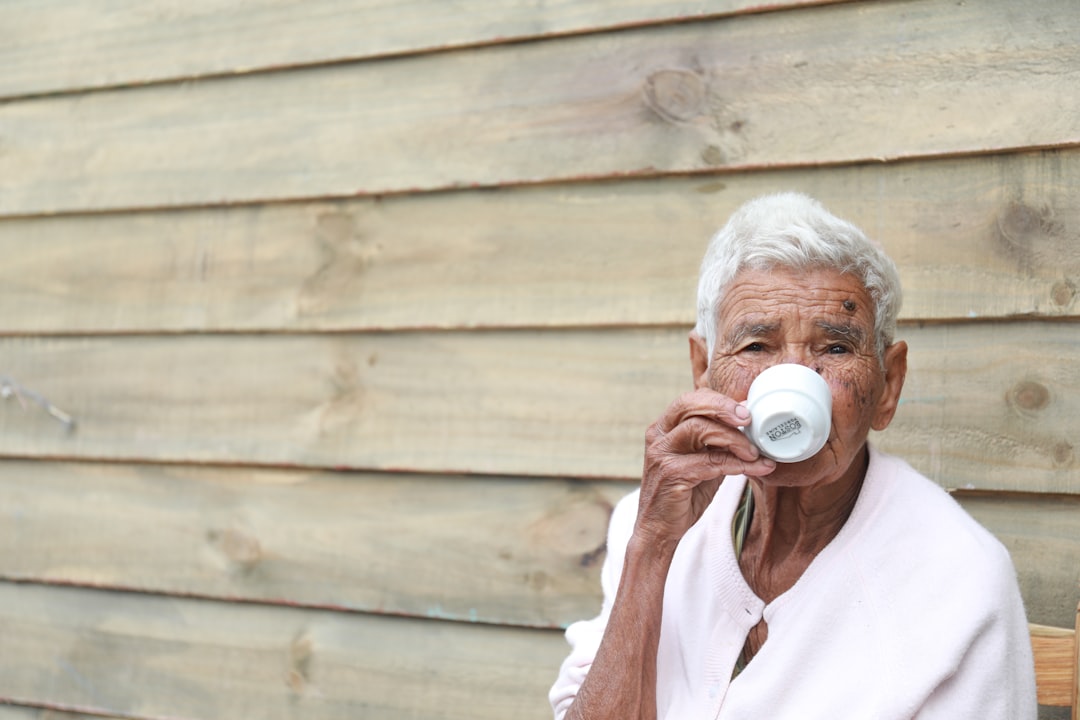
Hot weather poses a silent danger to older adults because their bodies do not register rising temperatures the way younger people do.
Heat stroke is what happens when the body’s temperature-control system shuts down: core temperature climbs past 104°F (40°C), confusion sets in, and sweating may stop entirely. It is a life-threatening emergency — and the actions taken in the first 15 minutes largely determine the outcome. This guide covers how to tell heat stroke from heat exhaustion, the exact emergency steps, and the prevention numbers that matter most.
This article is general health information, not medical advice. If someone shows signs of heat stroke, call 911 immediately.
What Are the Early Warning Signs of Heat Stroke?
Heat stroke begins when the hypothalamus — the part of the brain that regulates body temperature — gets overwhelmed by heat and stops doing its job.
The early signs look deceptively minor: fatigue, a mild headache. But it progresses fast.
As core temperature spikes, skin may turn red, hot, and dry — or the person may break into a cold sweat with dizziness.
The most dangerous warning sign is any change in mental state: slurred speech, disorientation, not knowing where they are. Confusion means it’s no longer heat exhaustion — it’s an emergency.
Ignore these early signals and the progression is seizures and multi-organ damage. Act the moment you notice them.
Heat Stroke vs. Heat Exhaustion — How Do You Tell Them Apart?
The two get confused constantly, but the response is completely different.

*One exception: exertional heat stroke (from intense exercise) can still involve sweating. Don’t rule out heat stroke just because someone is sweating — mental state is the more reliable signal.


What Families Should Know About Managing Heat for Seniors
Here is something most families don’t realize: an older adult’s sense of temperature is fundamentally different from yours.
As we age, the hypothalamus loses sensitivity. An older adult can feel perfectly comfortable, even chilly, in a room well above 86°F (30°C).
They often don’t feel thirsty or overheated even as their body temperature climbs toward dangerous levels. The body’s alarm system simply doesn’t ring.
That’s why you shouldn’t rely on how an older adult says they feel. Manage the environment by the numbers instead: a thermometer and a hygrometer on the wall, checked on a schedule.
If you’re caring for an aging parent, the single most useful habit is scheduled hydration: water at set times, whether or not they feel thirsty.
The 15-Minute Emergency Response, Step by Step
Once heat stroke is suspected, the goal is to bring core temperature down toward 102°F (39°C) within about 15 minutes.
- Call 911 first. Give the exact location and describe the person’s mental state.
- Move them to the coolest, shadiest, best-ventilated spot available.
- Loosen everything — buttons, belts, collars — so air can move across skin.
- Wet and fan: spray or sponge water on the skin, then fan hard, or wipe them down with wet towels. Evaporation is your fastest cooling tool.
- Never give fluids to someone with altered consciousness. Liquid can enter the airway and cause aspiration pneumonia. Nothing by mouth until they’re fully alert.
Prevention: The Numbers That Actually Matter
Heat risk isn’t just about temperature — humidity multiplies it. That’s why forecasters use the heat index (what the temperature feels like when humidity is factored in).
Once the heat index passes roughly 90°F (32°C), risk for older adults rises sharply — and when humidity exceeds 70%, sweat stops evaporating efficiently, so the body loses its main way to shed heat even at moderate temperatures.
Working numbers to go by:
- Indoor temperature: keep it between 78–82°F (26–28°C) with air conditioning — never rely on a fan alone in a heat wave.
- Hydration: about one cup (8 oz) of water every 15–20 minutes during hot conditions. Over four hours of heat exposure, small regular sips replace fluids far better than occasional large drinks.
- Outdoor work or activity in high heat: build in 10–15 minutes of shaded rest every hour.

Quick Checklist
- Put a digital thermometer/hygrometer in the main living area — check the heat index, not just the temperature.
- For seniors (and kids) at home: set an hourly alarm for one cup of water.
- Going out? Carry a cold water bottle and stay out of direct sun.
- Know where your nearest public cooling center is before a heat wave hits — most counties list them on their health department website.
FAQ
Q. Is dunking someone in ice water the fastest way to cool them?
A. Cold-water immersion is effective under medical supervision, but suddenly immersing an unconscious person can trigger vessel constriction and shock. For bystanders, wet towels plus strong fanning is the safe method.
Q. Sports drink or plain water — which is better for prevention?
A. If someone has been sweating heavily, they’ve lost salt as well as water, so an electrolyte drink can help. Drinking only plain water in large amounts can dilute blood sodium (hyponatremia) — worth being careful about.
Q. Can heat stroke happen indoors?
A. Yes. Roughly 20–30% of heat illness cases happen indoors — typically older adults or people with chronic conditions in closed rooms without air conditioning.
Q. Why are people with high blood pressure or diabetes at higher risk?
A. These conditions reduce the blood vessels’ ability to regulate heat, and common medications — diuretics, beta blockers — affect both temperature regulation and fluid balance. If your parent takes these, their heat tolerance is lower than it looks.
At Aberdeen House III, temperature and hydration management is part of daily care for every resident. If you’re weighing care options for a parent, we’re happy to talk.