
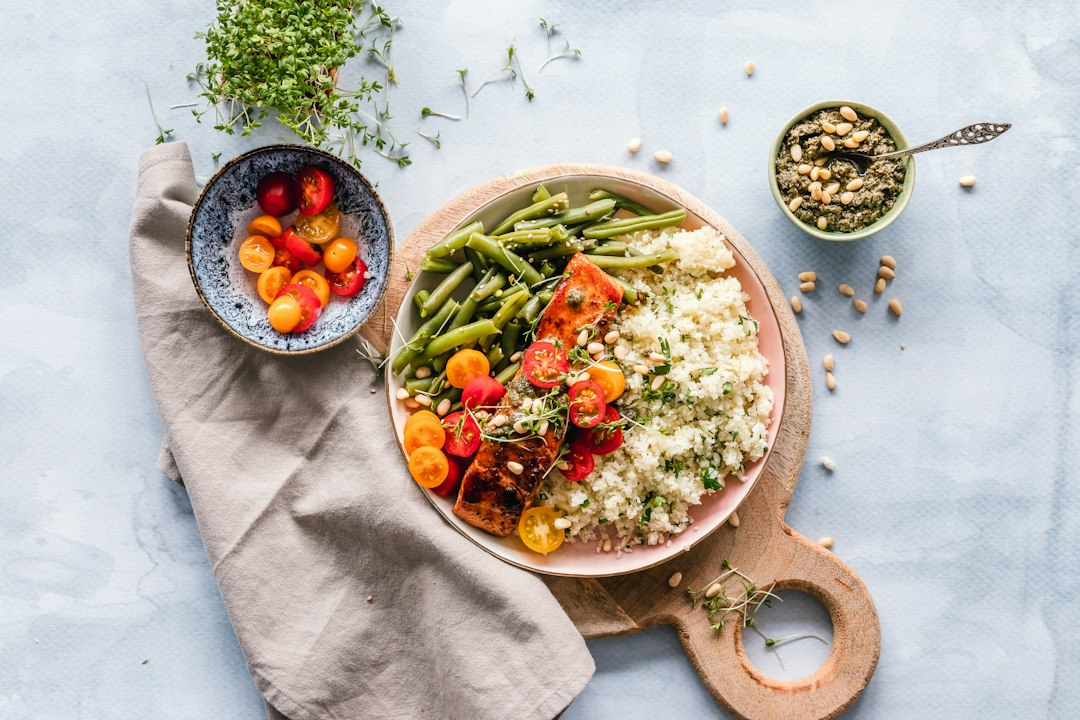
When adults cross into their late sixties, strength rarely vanishes overnight; it slips away quietly because older muscles stop processing protein the way they used to. Even if your plate looks identical to what you ate thirty years ago, your body now requires a clearer, stronger signal to repair and maintain muscle tissue. Here is why dietary protein needs change after 65, how to recognize the shift early, and simple adjustments that actually work in real life.
The Real Driver: Anabolic Resistance
Most people assume age-related muscle loss comes strictly from moving less or having arthritis. That is only part of the story.
As our biology shifts, muscles develop something researchers call “anabolic resistance.” In plain terms, older muscle cells need a higher concentration of amino acids floating in the bloodstream before they trigger repair and protein synthesis.
Where a younger adult might rebuild muscle with a tiny snack of fifteen grams of protein, a 70-year-old body might barely register that amount. Without enough concentrated protein in a single sitting, muscle tissue breaks down faster than it rebuilds.
Over months and years, that subtle deficit shows up as fatigue when climbing stairs, difficulty opening jars, or taking longer to recover from a minor cold.
Why Standard Guidelines Fall Short for Seniors
The standard Recommended Dietary Allowance (RDA) for protein is roughly 0.8 grams per kilogram of body weight per day.
That number was originally set decades ago as a bare baseline to prevent outright deficiency in young adults, not to maintain functional vitality in an aging body.
Geriatric health organizations now widely recommend between 1.0 and 1.2 grams of protein per kilogram of body weight daily for healthy older adults, and up to 1.5 grams during recovery from illness or surgery.
For a 150-pound adult, that means moving from about 55 grams a day up to roughly 70 to 85 grams. It sounds like a big jump, but it comes down to intentional choices rather than giant portions.

How to Distribute Protein Across the Day
Most adults eat a microscopic amount of protein at breakfast, a light sandwich for lunch, and a heavy steak or stew for dinner. That uneven pattern works against older muscle biology.
Because of anabolic resistance, spreading that intake evenly gives your muscles three distinct building opportunities instead of one overload at night.
- Aim for 25 to 30 grams per meal: This hits the threshold needed to stimulate muscle repair.
- Prioritize the leucine spark: Leucine is an essential amino acid found heavily in eggs, Greek yogurt, fish, and poultry that acts as the “on” switch for muscle maintenance.
- Do not skip breakfast protein: Swapping plain toast for two eggs with cottage cheese changes your entire metabolic tone for the day.
Easy Protein Swaps for Everyday Eating
You do not need powdery chalk shakes or complex recipes to reach your daily goal. Small shifts in basic pantry staples make a massive difference without upsetting digestive comfort.


Pairing Meals with Gentle Movement
Protein is the raw material, but movement is the signal that tells your body where to put those building blocks.
You do not need heavy gym machinery to prompt muscle synthesis. Everyday functional load counts just as much.
- Sit-to-stands: Standing up from a sturdy dining chair ten times without using your hands trains the quadriceps you need for independent walking.
- Gentle resistance bands: Light upper-body pulls keep posture upright and shoulder joints stabilized.
- Post-meal strolls: A brief ten-minute walk around the living room or garden helps shuttle glucose and amino acids directly into muscle cells.
A quick reminder: Every body is unique, especially when managing kidney health or heart considerations. Always talk to your doctor or a registered dietitian before significantly altering your daily nutritional intake.
FAQ
Q. Will eating more protein harm my kidneys as I get older?
A. For individuals with normal kidney function, healthy increases in dietary protein are safe and well-tolerated. However, if you have chronic kidney disease (CKD) or reduced renal filtration, your physician may recommend a controlled protein diet, so check with your doctor first.
Q. Are protein powders safe for seniors who struggle to chew meat?
A. Yes, high-quality whey or plant-based protein powders can be blended into oatmeal, smoothies, or soups. Look for clean, third-party tested brands without excessive added sugars or artificial thickeners.
Q. Can I get enough protein on a purely plant-based diet after 65?
A. Absolutely, though it takes a little more planning. Combining tofu, tempeh, lentils, and edamame provides plenty of amino acids, though seniors may need slightly larger portions of plant foods to reach the same leucine threshold as animal proteins.
Summary
- Muscle loss after 65 is largely driven by anabolic resistance, which requires a higher protein threshold to stimulate tissue maintenance.
- Aim for 25 to 30 grams of protein per meal across the day rather than packing everything into one heavy dinner.
- Small, soft additions like Greek yogurt, eggs, lentils, and cottage cheese make hitting higher daily targets effortless and comfortable.
Helpful links — Sister Unice’s picks
The best places to go deeper, hand-picked:
- NIH News in Health: Slowing Sarcopenia — National Institutes of Health official guidance explaining how age-related muscle loss develops and how dietary protein protects physical function.
- National Institute on Aging: Healthy Meal Planning for Older Adults — National Institute on Aging official nutrition resource detailing senior-specific daily protein requirements and balanced meal planning.
- National Council on Aging: 8 Signs of Protein Deficiency in Older Adults — National Council on Aging clinical overview outlining early warning signs of inadequate protein intake and actionable dietary solutions for seniors.
- National Institute on Aging: How Strength Training Builds Healthier Bodies as We Age — National Institute on Aging research summary demonstrating how combining dietary protein with resistance exercise directly counters muscle wasting.
Links go to third-party booking/shopping sites. I only list places and products with genuinely strong reviews.
Unice recommends this direct guide from the National Institutes of Health because it clearly explains how muscle loss starts and lays out the protein targets seniors need to stay strong and independent.
Not a paid placement or affiliate link — just a resource Unice trusts.
Sources
National Institute on Aging
USDA Nutrition.gov
Academy of Nutrition and Dietetics
Leave a Reply