
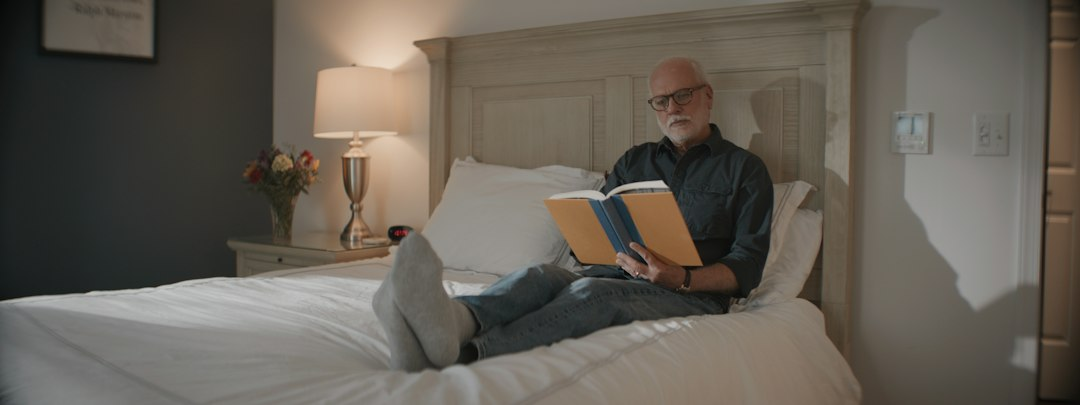
The first seven days in assisted living are an emotional bridge for both a new resident and their family. Making that transition gentle does not require expensive new furniture or interior decorator perfection—it requires instant familiarity, effortless nighttime navigation, and personal warmth. Here is how to stage the room before move-in day so your loved one feels safe, oriented, and truly at home from the very first night.
- Familiarity Beats Brand-New Furniture Every Single Time
- Map the Midnight Pathway to Prevent Nighttime Falls
- What Should They See the Moment They Open Their Eyes?
- First-Week Setup Priorities: Day One vs. Day Seven
- Sensory Anchors: Lighting, Scent, and Fresh Air
- FAQ
- Summary
- Helpful links — Sister Unice’s picks
- Sources
Familiarity Beats Brand-New Furniture Every Single Time
When families prepare for move-in, their natural impulse is often to buy a fresh bedroom set. Resist that temptation, because brand-new furniture smells strange, feels unfamiliar to aging hands, and can trigger deep disorientation during the first night away from home.
Bring the worn armchair they have sat in every afternoon for the last decade, along with their familiar bedspread and personal nightstand. Having the exact surface where their eyeglasses, tissue box, and water glass have always rested gives them immediate spatial confidence.
Before my years running an assisted living home in Maryland, I worked for two decades as a fashion designer in Manhattan and Seoul. In fashion, you learn how deeply people react to tactile texture and drape; in elder care, an old chenille throw blanket or a broken-in quilt does far more to settle an anxious heart than crisp high-thread-count sheets straight from a package.
Map the Midnight Pathway to Prevent Nighttime Falls
The most dangerous journey in any assisted living room is the walk between the mattress and the bathroom doorway at 2:00 a.m. In an unfamiliar space, poor lighting and awkward corners lead directly to slips and disorientation.
Keep a wide, completely unobstructed channel from the side of the bed where your loved one exits straight to the toilet. Avoid decorative floor runners or throw rugs entirely, as loose edges catch slippers and walker wheels with astonishing ease.
Always talk to your doctor and the community care team before installing bed rails or specific fall-reduction gear, as resident assessment regulations and individual mobility needs vary.
What Should They See the Moment They Open Their Eyes?
Think carefully about visual sightlines from the pillow. When an older adult wakes up in a new room, their immediate question is: Where am I, and who loves me?
- Eye-level photo gallery: Hang 3 or 4 clear, framed portraits of close family or pets on the wall directly opposite the head of the bed, not tucked behind a dresser.
- Large-print calendar and clock: Mount a high-contrast digital day-and-date clock right where their eyes naturally fall in the morning.
- A favorite focal object: Place a cherished heirloom clock, prayer book, or handmade ceramic bowl on the bureau across from them.
Whenever I need simple home accents to make a bare room feel welcoming quickly, I often stop by Target for soft, warm-toned curtains and plush towels. A simple pair of fabric curtains immediately softens institutional window frames and controls late-afternoon glare.
First-Week Setup Priorities: Day One vs. Day Seven
You do not need to unpack every single heirloom carton on moving afternoon. Trying to do too much in one visit exhausts your parent and overwhelms their senses.


Sensory Anchors: Lighting, Scent, and Fresh Air
Lighting should shift naturally with the rhythm of the day to support healthy sleep cycles. Use soft warm-white bulbs (around 2700 Kelvin) rather than harsh bluish overhead lights, which can feel cold and trigger evening restlessness.
Motion-sensor amber nightlights plugged along baseboards provide gentle guidance without waking the brain. Also consider familiar smells: wash bedding in their long-time laundry detergent rather than switching to an industrial-scented option.
Ventilation is equally critical. In care environments, keeping stale air moving without letting outside bugs in is a common practical puzzle; keeping clean air circulating helps an unfamiliar room feel crisp, inviting, and alive.
FAQ
Q. Should we buy new storage furniture before move-in day?
A. It is generally better to wait. Use the community’s built-in closet or a familiar small chest from home first; you will understand their real floor space and mobility flow much better after the first week.
Q. How many personal photos should we put up?
A. Choose 4 to 6 large, uncluttered photos showing smiling, recognizable faces. Too many small picture frames clustered together can create visual noise and become difficult for aging eyes to process.
Q. What is the single biggest room setup mistake families make?
A. Overcrowding the floor with small accent tables, footstools, and decorative rugs. Mobility devices like walkers need generous turn radiuses, especially beside the bed and near the bathroom door.
Summary
- Use unwashed personal bedspreads and familiar furniture to create instant sensory comfort.
- Clear a straight, rug-free visual pathway from the mattress directly to the bathroom door.
- Pace the decorating process so your loved one is not overwhelmed on their emotional first day.
Helpful links — Sister Unice’s picks
The best places to go deeper, hand-picked:
- National Institute on Aging: Preventing Falls at Home (Room by Room) — The National Institute on Aging provides official federal guidance on setting up bedroom pathways and nighttime lighting to prevent disorientation and falls.
- CDC STEADI: Check for Safety Materials — The CDC’s STEADI initiative publishes the leading federal room hazard assessment tool to ensure senior living quarters are safe from day one.
- Alzheimer’s Association: Long-Term Care Options & Transition Guide — The Alzheimer’s Association delivers premier national caregiver protocols on personalizing rooms and supporting emotional adjustment during the critical first week.
Links go to third-party booking/shopping sites. I only list places and products with genuinely strong reviews.
I recommend starting here because NIA’s room-by-room blueprint provides actionable, comforting adjustments that turn a new room into a secure, familiar haven right away.
Not a paid placement or affiliate link — just a resource Unice trusts.
Leave a Reply