
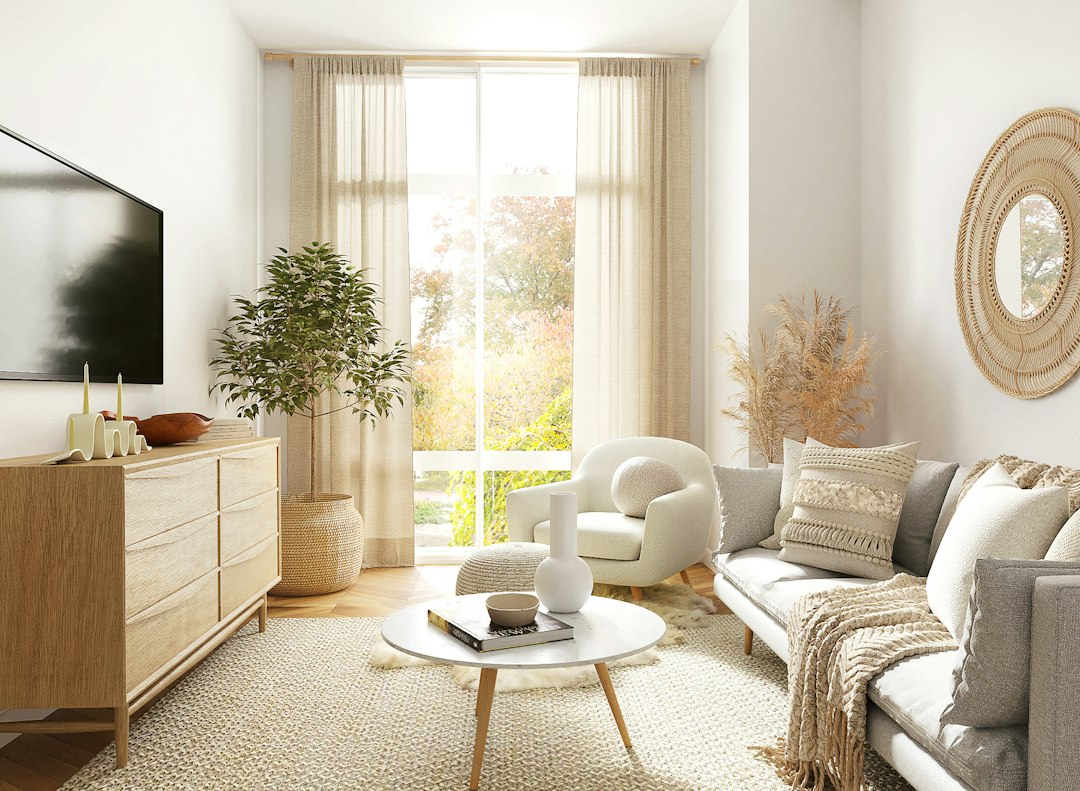
When choosing senior living, floor plans and price sheets tell you almost nothing about how 10:00 AM on a Tuesday actually feels. In a residential care home, life moves around a kitchen and a shared living room, while a large facility operates more like a hotel with set schedules and long corridors. Knowing how those hours unfold hour by hour is the clearest way to decide where your loved one will genuinely thrive.
- The Morning Awakening: Natural Pacing vs Scheduled Shifts
- Dining Realities: Commercial Kitchen vs Household Cooking
- Walking Distance and the Reality of Foot Fatigue
- Activities: Grand Calendar vs Spontaneous Connection
- Care Staff Visibility and Nighttime Oversight
- A Side-by-Side Day in the Life
- How to Match the Environment to Your Loved One
- FAQ
- Helpful links — Sister Unice’s picks
- Sources
The Morning Awakening: Natural Pacing vs Scheduled Shifts
In a large community with 80 or 100 apartments, mornings run on a strict operational track. Care staff often have specific windows to assist dozens of residents with dressing and medication before the main dining hall doors close for breakfast.
If someone wants to sleep in until 9:15 AM, it can throw off the entire floor schedule. Trays get brought to the room, but the social energy of breakfast is already finished by the time they wake.
In a small residential care home, morning sounds like someone brewing coffee right down the short hallway. Because caregivers only support a handful of people, someone who wakes up at 7:00 AM gets their eggs early, while a late riser can ease into the kitchen whenever they are ready.
Nobody is rushed into clothes to meet an industrial dining hall bell. For seniors who find loud spaces disorienting first thing in the morning, that gentle start changes the tone of the whole day.
Dining Realities: Commercial Kitchen vs Household Cooking
Large senior living communities pride themselves on restaurant-style dining with printed menus and alternating daily specials. That setup can be delightful for active seniors who love dressing up, walking down to a bustling dining room, and chatting across large banquet tables.
However, commercial kitchen meals follow batch cooking schedules. The food is prepared in bulk, placed in warming carts, and transported across wings, which sometimes leaves meals lukewarm by the time they reach a quiet table.
In a residential home, the dining table is just a few steps from where the food is prepared. Residents smell the garlic, soup, and bread baking throughout the morning, which acts as a powerful natural appetite stimulant.
Small homes also adapt much faster to lifelong personal quirks. Some residents simply will not give up their sweet coffee creamer or extra syrup on pancakes, regardless of what health guidelines suggest, and a household kitchen accommodates those comfort habits without judgment.

Walking Distance and the Reality of Foot Fatigue
Have you ever clocked how many steps it takes to go from a third-floor apartment to the elevator, down to the lobby, and over to the activities room in a large complex?
In many big buildings, that round trip can easily exceed 600 feet each way.
For an older adult using a walker or struggling with balance, that corridor can feel like a marathon. When the walk to lunch feels intimidating, many residents simply choose to stay in their rooms, unintentionally isolating themselves.
In a single-family residential care home, nearly everything is on one main level or easily reached within fifteen to twenty paces. The bathroom, dining table, and sofa are always within sight, which keeps seniors moving naturally all day without dreading the journey.
Activities: Grand Calendar vs Spontaneous Connection
Large facilities excel at sheer variety. Their activity calendars read like a cruise ship itinerary, featuring guest lectures, watercolor workshops, trivia hours, and scheduled shuttle buses to local shops.
For a social extrovert who thrives on meeting new neighbors and picking among three concurrent events, a large campus is unmatched. But for someone dealing with cognitive decline, a crowded activities room with 40 people can trigger sensory overload and retreat.
Small residential homes focus on informal, shared life. An afternoon might involve folding laundry side by side, listening to favorite old records, chair yoga, or simple crafts at the kitchen island.
Staff members notice immediately if someone looks down, restless, or fatigued. Rather than waiting for a scheduled 2:00 PM program, caregivers can offer a warm cup of tea or a quiet chat right in the moment.
Care Staff Visibility and Nighttime Oversight
Staff turnover and call-bell wait times are two of the biggest worries families bring to mind. In big facilities, staff work assigned zones, meaning a resident might see four different aides in a single 24-hour cycle.
If someone presses a call pendant at 8:00 PM, the response depends on how many other lights are blinking down that corridor. It is not neglect; it is simply the math of covering a large building.
In a small residential care home, the caregiver is rarely more than a room away. Changes in skin color, breathing, or appetite get noticed during regular conversation rather than waiting for a formal shift check.
Routine care tasks also require close, personal familiarity. Crushing medication, for instance, requires knowing which tablets can be safely blended into applesauce and which extended-release pills must never be broken, an attention to detail that thrives on steady familiarity.

A Side-by-Side Day in the Life

How to Match the Environment to Your Loved One
Choosing between these two models comes down to your family member’s current personality and physical stamina, not just their medical diagnosis. Please consult your physician or an eldercare specialist for guidance on individual medical care needs, as this overview reflects operational observations rather than formal clinical advice.
- Choose a large facility if: Your parent is naturally outgoing, enjoys bustling crowds, values having a private apartment with a kitchenette, and still walks confidently without quickly tiring out.
- Choose a small residential home if: They become anxious or overwhelmed in noisy dining rooms, need steady cueing to eat, experience evening confusion (sundowning), or struggle to walk down long hallways.
- Listen for acoustic comfort during your tour: Pay close attention to background echo, intercom chimes, and floor noise. Seniors with hearing aids often struggle in high-ceiling dining rooms.
- Check who handles the overnight hours: Ask specifically how many staff are present from 11:00 PM to 7:00 AM, and how quickly someone responds if a resident wakes up disoriented in the dark.
FAQ
Q. Are small residential care homes licensed the same way as big facilities?
A. Yes. In states like Maryland, small residential homes operate under assisted living licensure and must meet strict state regulations covering medication technician certification, fire safety, infection control, and resident rights.
Q. Can a resident stay in a small home if their care needs increase?
A. Most residential homes provide care across multiple levels, supporting residents as they transition from light help with dressing to full assistance with mobility, feeding, and incontinence management. Always check the home’s specific license level during your visit.
Q. Do residents get bored in a smaller home?
A. For seniors who prefer peaceful surroundings, boredom is rarely an issue because they are part of the daily household flow. However, an independent elder who loves swimming pools, movie theaters, and meeting dozen new acquaintances might feel limited in a smaller footprint. Small homes offer a quiet domestic rhythm with short walking distances and deeply personal meal routines. Large facilities offer hotel-like amenities, lively social variety, and wide activity calendars for active seniors. Look past the chandelier in the lobby and watch how regular hours between 10:00 AM and 3:00 PM actually feel.
Helpful links — Sister Unice’s picks
The best places to go deeper, hand-picked:
- NIA Guide to Long-Term Care Facilities: Assisted Living, Nursing Homes, and Other Residential Care — The National Institute on Aging provides official federal guidance breaking down how daily care, dining, and staffing differ between intimate group care homes and larger assisted living facilities.
- Eldercare Locator — Funded by the U.S. Administration for Community Living, this official government service connects families directly to local Area Agencies on Aging to compare licensed residential care homes and larger communities nearby.
- Alzheimer’s Association: Long-Term Residential Care Options Guide — The Alzheimer’s Association provides leading nonprofit guidance and day-to-day evaluation questions to help families assess social pacing, dining flow, and sensory environments across care settings.
- National Long-Term Care Ombudsman Resource Center — Authorized under the federal Older Americans Act, this nationwide network connects families with dedicated resident advocates who evaluate daily living quality in both small care homes and large facilities.
Links go to third-party booking/shopping sites. I only list places and products with genuinely strong reviews.
Unice recommends this NIH resource because it gives families clear, unbiased clarity on how day-to-day schedules, meals, and staffing levels genuinely feel in a smaller home versus a large campus.
Not a paid placement or affiliate link — just a resource Unice trusts.
Leave a Reply