
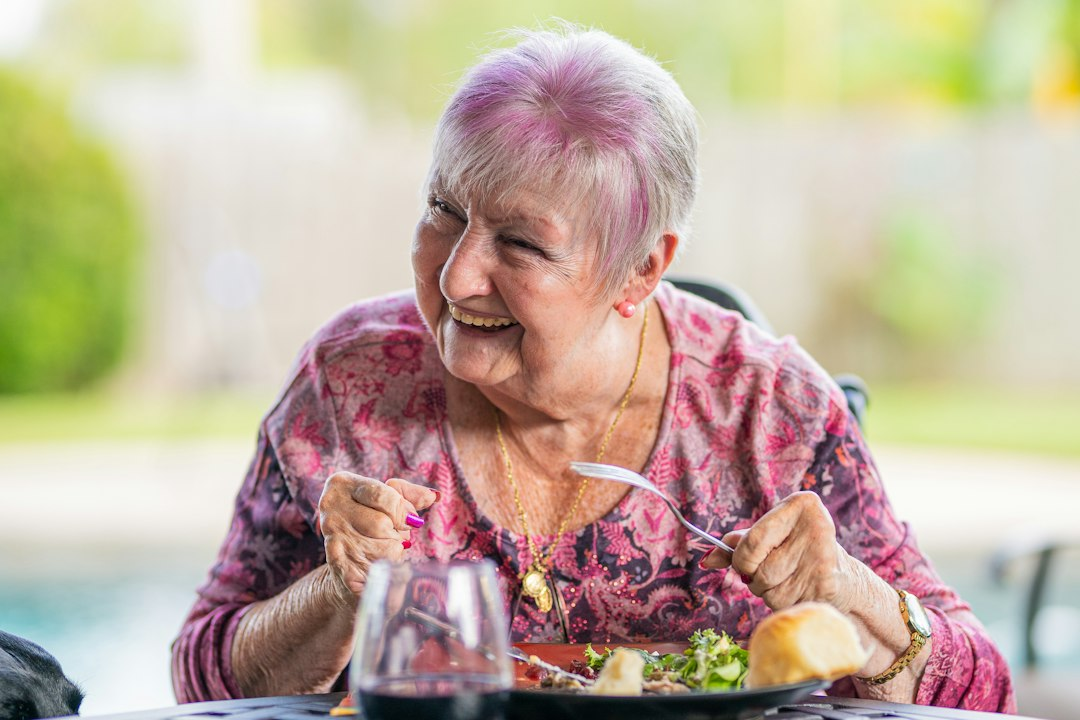
Eating well after 70 is no longer about trimming inches off your waist or following rigid dietary trends. As our bodies age, metabolism slows, appetite often drops, and preserving muscle and bone strength becomes your number one job. The secret to thriving in this season of life is shifting toward nutrient-dense, enjoyable foods—and dropping the guilt over habits that no longer serve you.
A gentle reminder before we talk food: the observations shared here come from my daily work running an assisted living home in Maryland, not from a doctor’s prescription pad. Always consult your primary physician or a registered dietitian before making big shifts in your diet.
The goal flips from shrinking to staying strong
For most of our adult lives, mainstream nutrition advice screams one thing: eat less, weigh less, take up less space.
After 70, that playbook gets flipped completely upside down.
Unintentional weight loss in your seventies and eighties is far riskier than carrying a few extra pounds. When an older adult loses weight rapidly, they do not just lose fat—they lose critical skeletal muscle mass, which raises the risk of falls, frailty, and prolonged hospital stays.
Instead of restricting calories, your main nutritional focus should be getting enough high-quality protein and steady nourishment throughout the day to keep your balance steady and your energy dependable.
- Aim for protein at every meal: Eggs, Greek yogurt, tofu, tender fish, poultry, beans, or even a splash of whole milk in your morning porridge.
- Do not fear healthy fats: Olive oil, avocados, nut butters, and seeds deliver concentrated calories without making your stomach feel uncomfortably stuffed.
- Eat smaller, frequent plates: If three large meals feel overwhelming, try four or five small, nourishing snack-meals spread across your day.
Why does food suddenly taste a little bland?
Have you noticed that your favorite stew or soup does not taste quite as bold as it used to?
You are not imagining things, and your cooking skills certainly have not vanished.
Our taste buds naturally decrease in number and sensitivity as we age, and our sense of smell fades right alongside them. Many everyday maintenance medications for blood pressure, arthritis, or heart health can also leave a lingering metallic or flat taste in your mouth.
When food loses its aroma, your appetite drops right off a cliff. The common reaction is reaching for the salt shaker, but heavy sodium is not great for blood pressure or swollen ankles.
Try waking up your palate with bright acids and warm herbs instead. Fresh lemon juice, lime zest, garlic, mild ginger, oregano, or a splash of good vinegar can bring dull dishes back to life without adding a single milligram of extra sodium.

3 midlife diet worries you can safely leave behind
If you spent your forties and fifties counting every single gram of fat, give yourself permission to stop.
Here is what you can officially cross off your worry list after 70:

Do not wait for your mouth to feel dry
Did you know that our natural thirst signal gets surprisingly sleepy as the decades roll by?
By the time a senior actually feels parched, mild dehydration has often already set in. In older bodies, even modest dehydration can cause dizziness, sudden confusion, urinary tract infections, and low blood pressure.
Trust me on this one: do not rely on your brain to tap you on the shoulder and say, “Hey, go drink a glass of water.”
Keep a small, lightweight tumbler within arm’s reach from breakfast to bedtime. If plain water feels unappealing, herbal teas, warm broths, cucumber-infused water, or juicy fruits like melon and oranges count toward your daily fluid count too.
In our assisted living home in Maryland, I try very hard to serve wholesome, nourishing meals. But I also see every day that lifelong habits run deep. I have cared for a resident with diabetes who simply would not drink coffee without Coffee-mate, and another who insisted on a generous pool of pancake syrup every single morning. In the early days, you want to fix everything with nutrition rules. But you quickly learn that you cannot—and should not—erase seven decades of someone’s comfort overnight. Good caregiving means walking that fine line between offering nourishing food and fiercely respecting the simple pleasures someone has loved their whole life.

Small texture adjustments make eating effortless
Chewing and swallowing shouldn’t feel like a workout session at the dinner table.
Dental bridges, dry mouth, or subtle throat muscle changes can make dry meats or crunchy raw salads exhausting to chew, which causes many seniors to quietly skip them altogether.
Instead of cutting out nutritious staples, simply rethink their preparation. Slow-cook beef until it flakes with a fork, switch raw carrots for honey-glazed steamed rounds, and lean into hearty lentil or bean soups.
Gravies, sauces, and light broths are not just for comfort—they provide moisture that makes swallowing safe, smooth, and enjoyable.
FAQ
Q. How much protein does an older adult really need each day?
A. Most geriatric nutrition specialists recommend roughly 1.0 to 1.2 grams of protein per kilogram of body weight daily for healthy older adults. That means an individual weighing 150 pounds generally thrives on around 68 to 82 grams of protein daily, divided across meals.
Q. What should I do if my elderly parent has completely lost their appetite?
A. Focus on calorie and nutrient density rather than plate size. Small smoothies with nut butter, cream-based vegetable soups, and finger foods eaten every couple of hours are much less intimidating than a giant dinner plate.
Q. Are daily meal replacement shakes a good idea for seniors?
A. They can be a helpful bridge when chewing is difficult or during recovery from an illness, but whole foods provide broader gut-healthy fiber and micronutrients. Always check with a physician first, as some commercial drinks are packed with unnecessary added sugars.
Summary
- Stop chasing aggressive weight loss; preserving lean muscle and bone density is your top health priority after 70.
- Combat sensory loss with citrus, garlic, and fresh herbs instead of dumping on extra sodium.
- Hydrate proactively throughout the day, and leave room for the comfort foods that bring genuine joy to your table.
Helpful links — Sister Unice’s picks
The best places to go deeper, hand-picked:
- NIA Healthy Eating, Nutrition, and Diet Guide — The National Institute on Aging (NIH) provides the definitive federal guidance on how metabolism, nutrient absorption, and appetite change in later life.
- MedlinePlus: Nutrition for Older Adults — Produced by the National Library of Medicine, this official portal synthesizes clinical research on senior nutritional shifts, sensory changes, and hydration needs.
- NCOA Healthy Eating Tips for Seniors — The National Council on Aging delivers trusted, community-tested recommendations on building balanced plates and overcoming nutritional hurdles as we age.
- NIA Healthy Meal Planning Tips for Older Adults — This official NIH resource offers practical sample menus, portion adjustments, and sensible guidance tailored to older adults.
Links go to third-party booking/shopping sites. I only list places and products with genuinely strong reviews.
Unice loves this comprehensive NIH portal because it takes the guilt out of eating after 70, focusing on joyful nutrient density and muscle maintenance rather than restrictive diets.
Not a paid placement or affiliate link — just a resource Unice trusts.
Leave a Reply